JP-10 Fuel, high-density synthetic missile fuel
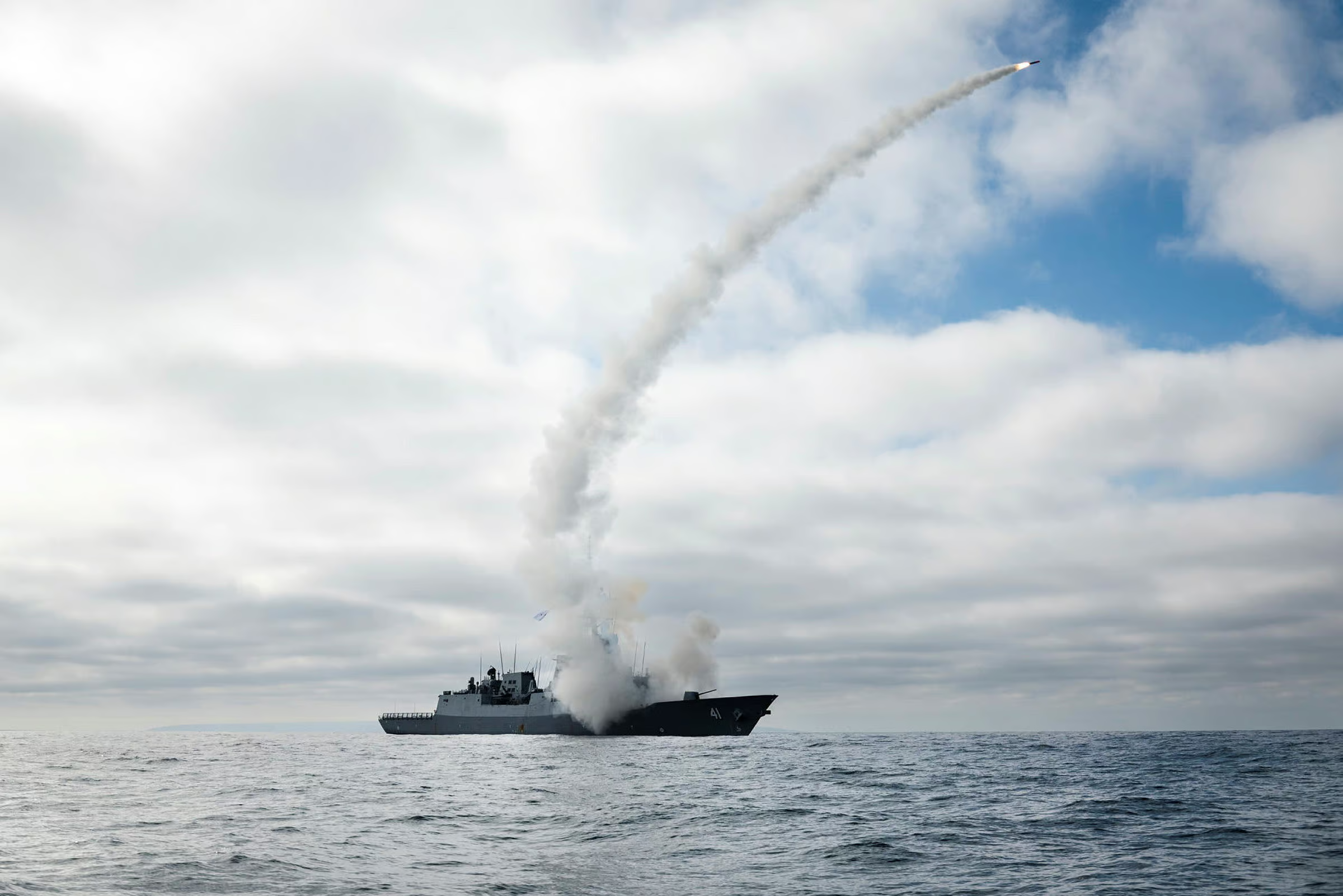
JP-10 fuel is a synthetic hydrocarbon (exo-tetrahydrodicyclopentadiene) engineered for maximum volumetric energy density, the fuel of choice for cruise missiles, air-launched weapons and specialty UAV propulsion.
 MIL-DTL-87107
Key technical properties
Certified to MIL-DTL-87107, maximum volumetric energy density for constrained-volume propulsion.
| Property | JP-10 limit |
|---|---|
| Specification | MIL-DTL-87107 |
| Chemical composition | exo-THDCPD ≥97% mass |
| Density at 15°C | 0.937-0.951 g/mL |
| Flash point (min) | 54°C (130°F) |
| Freezing point (max) | −79°C (−110°F) |
| Net heat of combustion | ≥139,400 BTU/gal |
| Viscosity at −40°C (max) | 12 cSt |
| Distillation initial BP | 170-200°C |
| Distillation 90% (max) | 210°C |
| Copper corrosion | Class 1 |
| Thermal stability (JFTOT) | ≥325°C |
| Total sulfur (max) | 3 mg/kg |
Where it fits
Roughly 19% more energy per tank volume than JP-8, directly extends range.
Compact propulsion for tactical UAVs and target drones needing maximum loiter time.
Extreme thermal stability supports scramjet and high-speed test vehicles.
Specialty handling and export-control documentation for qualified defense programs.
Platform applications
JP-10 is the fuel of choice wherever energy density is the primary design constraint.


How to buy
-
Share the requirement
Volumes, destinations and delivery window so we can qualify the purchasing profile.
-
Offer & terms
Pricing, Incoterms and supply scenarios aligned with compliance needs.
-
Allocate & schedule
Confirm allocation, lock liftings and delivery windows.
-
Ship with CoA
Product moves with certificates and shipment docs for full traceability.
Specs first? Download the TDS above. Ready to procure? Operations handles confidential defense requests.
Global sourcing network
Long-term procurement with distributor routes, refinery-backed planning and compliant documentation, from qualified producers and terminals to reduce lead-time risk.
- Continuity: Contracted volumes with rolling delivery windows.
- Flexibility: Multi-region options when one corridor is disrupted.
- Coverage: Partners for priority uplift and transfer.
- Compliance: Spec, quality and chain-of-custody docs.
Frequently asked questions
What is JP-10?
JP-10 is a high-density synthetic hydrocarbon (exo-tetrahydrodicyclopentadiene) used in missiles, cruise weapons and specialty UAV propulsion.
How does JP-10 density compare to JP-8?
JP-10 measures 0.937-0.951 g/mL versus roughly 0.775-0.840 kg/L for JP-8, around 15-20% more energy per unit volume.
Why is JP-10 used in cruise missiles?
Missile airframes have fixed, constrained fuel tank volume. JP-10's high density extends range without increasing airframe size.
Can Suat Fuels supply JP-10 to propulsion test facilities?
Yes. We supply JP-10 for missile and rocket-engine test programmes, including ISO-tank logistics and export authorisation support (e.g. DSP-05) when required. See our Germany propulsion test case study and testing-facilities service page.
How is JP-10 typically packaged for export?
Most programmes move JP-10 in sealed drums or dedicated ISO tanks rather than open bulk, cleaner custody for small lots and controlled grades. We coordinate packaged transport and optional on-site decanting.
Where can I buy JP-10 fuel?
Suat Fuels supplies JP-10 for qualified missile, UAV and propulsion-test programs with ISO/drum logistics and export support when required. Request a confidential quote, not available as retail fuel.
Secure your JP-10 supply
High-density synthetic fuel for missiles, UAVs and specialty defense platforms.