JP-8 Fuel, NATO F-34 military jet fuel
JP-8 fuel is NATO's primary land-based turbine fuel, Jet A-1 grade with the mandatory military additive package, secure logistics and STANAG interoperability.
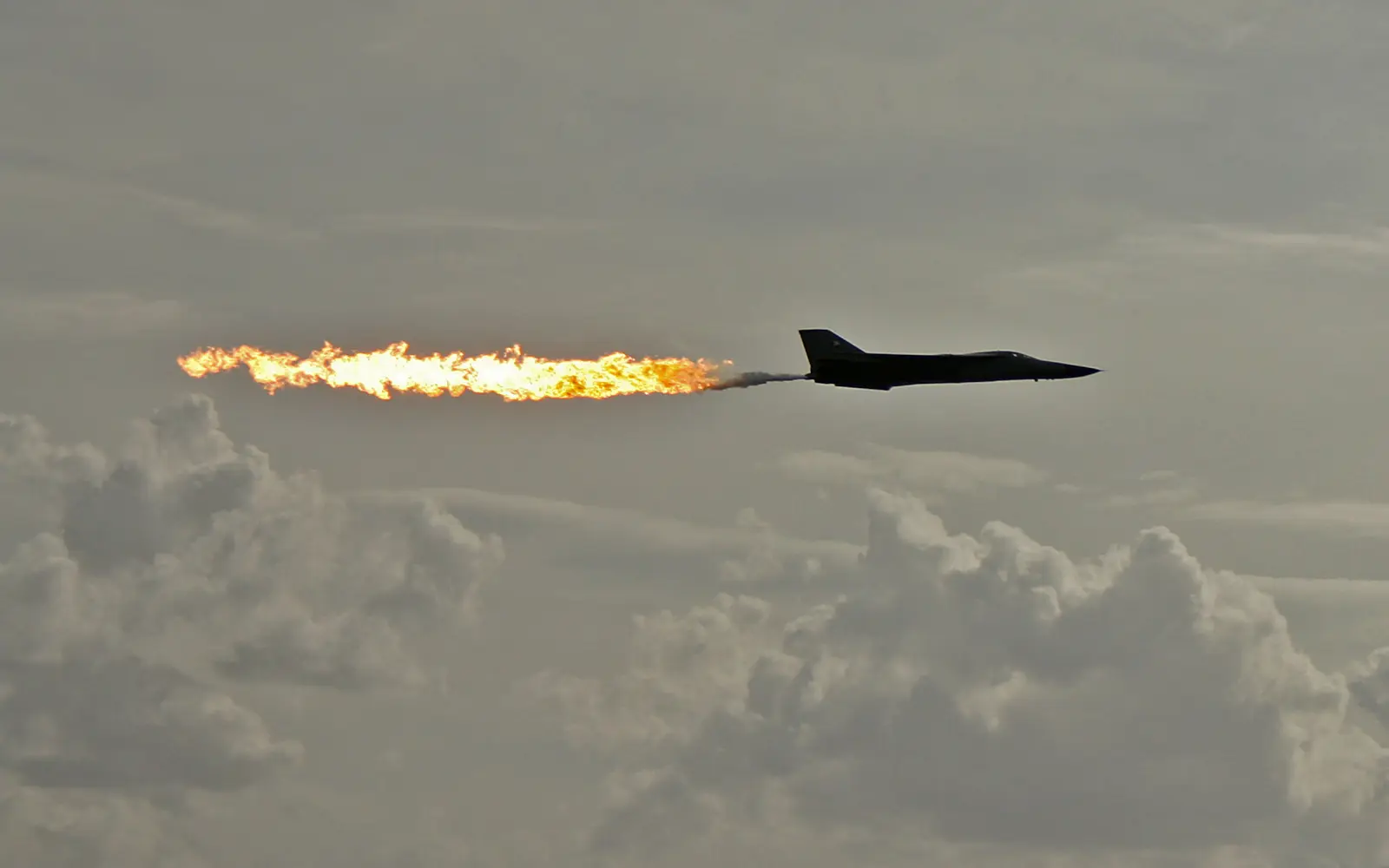 NATO F-34
What is JP-8 fuel?
JP-8 fuel (also searched as JP8 fuel or JP-8) is a kerosene-type military aviation fuel specified by MIL-DTL-83133. NATO codes it F-34. Chemically it sits on the same Jet A-1 boiling range, but the military grade requires a fixed additive package, corrosion inhibitor/lubricity improver (CI/LI), fuel system icing inhibitor (FSII / DiEGME) and a static dissipater (SDA).
Under NATO’s Single Fuel Concept, JP-8 fuel powers turbine aircraft plus many ground vehicles and generators at land bases, cutting the logistics burden of multiple grades.
At 15°C, JP-8 fuel density is 775-840 kg/m³ (≈0.775-0.840 kg/L). Batch density is confirmed on the Certificate of Analysis shipped with every lot.
JP-8 vs JP-5 at a glance
| Property | JP-8 fuel (F-34) | JP-5 fuel (F-44) |
|---|---|---|
| Primary use | Land bases / Single Fuel Concept | Carrier & naval aviation |
| Flash point | min 38°C | min 60°C |
| Freeze point | max −47°C | max −46°C |
| Density @ 15°C | 775-840 kg/m³ | ≈0.788-0.845 kg/L |
| Spec | MIL-DTL-83133 | MIL-DTL-5624 |
Need carrier-grade flash point? See JP-5 fuel (F-44).
JP-8 fuel specs & density
Certified to MIL-DTL-83133 / NATO F-34 / STANAG 3747.
| Property | JP-8 limit |
|---|---|
| Specification | MIL-DTL-83133 / NATO F-34 |
| Flash point | min 38°C |
| Freezing point | max −47°C |
| Density at 15°C | 775-840 kg/m³ |
| Net heat of combustion | min 42.8 MJ/kg |
| Viscosity at −20°C | max 8.0 mm²/s |
| Distillation 10% | max 205°C |
| Final boiling point | max 300°C |
| Aromatics | max 25% vol |
| Sulfur | max 0.30% mass |
| Lubricity BOCLE | max 0.85 mm |
| Additives | CI/LI + FSII + SDA |
Where JP-8 fuel fits
Aircraft plus ground vehicles and generators under one kerosene grade.
FSII prevents ice crystal blockage above 25,000 ft.
CI/LI protects tanks, pumps and wear surfaces.
Full ally interoperability at NATO air bases.
Quality & additives
Corrosion / lubricity
Protects metal and reduces pump wear.
Icing inhibitor (DiEGME)
Prevents ice crystals at altitude.
Static dissipater
Safe high-speed fueling at FOBs.
How to buy
-
Share the requirement
Volumes, destinations and delivery window so we can qualify the purchasing profile.
-
Offer & terms
Pricing, Incoterms and supply scenarios aligned with compliance needs.
-
Allocate & schedule
Confirm allocation, lock liftings and delivery windows.
-
Ship with CoA
Product moves with certificates and shipment docs for full traceability.
Specs first? Download the TDS above. Ready to procure? Operations handles confidential defense requests.
Global sourcing network
Long-term procurement with distributor routes, refinery-backed planning and compliant documentation, from qualified producers and terminals to reduce lead-time risk.
- Continuity: Contracted volumes with rolling delivery windows.
- Flexibility: Multi-region options when one corridor is disrupted.
- Coverage: Partners for priority uplift and transfer.
- Compliance: Spec, quality and chain-of-custody docs.
Frequently asked questions
What is JP-8 fuel?
JP-8 fuel (JP8 / JP-8) is a kerosene-based military jet fuel to MIL-DTL-83133. NATO designates it F-34. It is Jet A-1 grade with mandatory military additives (CI/LI, FSII, SDA) for land-based aviation and the Single Fuel Concept.
What is JP-8 fuel density?
JP-8 fuel density at 15°C is 775-840 kg/m³ (≈0.775-0.840 kg/L). Exact batch density is reported on the Certificate of Analysis.
What is the flash point of JP-8?
Minimum 38°C, same floor as Jet A-1. JP-5 requires ≥60°C for carriers.
JP-8 vs JP-5, what is the difference?
Flash point: 38°C vs 60°C. JP-8 fuel = land bases (F-34); JP-5 fuel = carrier aviation (F-44).
JP-8 fuel vs Jet A / diesel?
JP-8 matches Jet A-1 boiling range but adds the military additive package (CI/LI, FSII, SDA). It is not a road diesel: cetane, lubricity and cold-flow differ from F-54 / commercial diesel.
What is F-34?
F-34 is the NATO STANAG code for JP-8 fuel.
Can you buy JP-8 fuel?
JP-8 is supplied to qualified defense and government programs, not as retail pump fuel. Suat Fuels quotes MIL-DTL-83133 / NATO F-34 volumes with CoA for approved buyers, share destination, volume and delivery window.
How much does a gallon of JP-8 weigh?
At 15°C, JP-8 fuel density is 775-840 kg/m³ (≈0.775-0.840 kg/L), so one US gallon weighs roughly 6.5-7.0 lb. Batch weight follows the CoA density.
Does the military still use JP-8?
Yes. JP-8 / NATO F-34 remains the primary land-based military jet fuel under the Single Fuel Concept. Some CONUS bases uplift commercial Jet A with the same additive package (often coded F-24); export and many overseas programs still specify JP-8.
Where can I buy JP-8 fuel?
Suat Fuels supplies JP-8 fuel for qualified defense programs worldwide, request a confidential quote with volumes, destination and delivery window.
Secure your JP-8 fuel supply
MIL-DTL-83133 / NATO F-34 certified JP-8 fuel with global logistics for mission-critical operations.