 CAS 56-81-5
Biodiesel co-product
Crude Glycerin
Dark, saline crude glycerol from FAME biodiesel and oleochemical routes. Typical assay 75-80% glycerol with water, salts, soaps and MONG. Traded with batch CoA and ISCC EU documentation when renewable compliance applies.
What Is Crude Glycerin?
Crude glycerin (crude glycerol) is the main aqueous-organic co-product of triglyceride transesterification to FAME biodiesel, and of selected soap and fatty-acid lines. Suat Fuels supplies parcels typically in the 75-80% glycerol band (dry basis), with batch-to-batch variation in water, ash, residual methanol and MONG.
It is the upstream feedstock for refining into technical or USP glycerin, and for industrial or energy pathways where high purity is not required. Every lot ships with a full Certificate of Analysis.
Why Source Crude Glycerin With Suat Fuels?
- Assay window 75-80%Commercial parcels aligned to the 75-80% glycerol band buyers specify for refining and industrial offtake.
- Traceable co-productLinked to identifiable FAME or oleochemical plants with ISCC EU chain of custody when required.
- CoA before logisticsGlycerol, water, ash, MONG, methanol and pH disclosed per batch before booking.
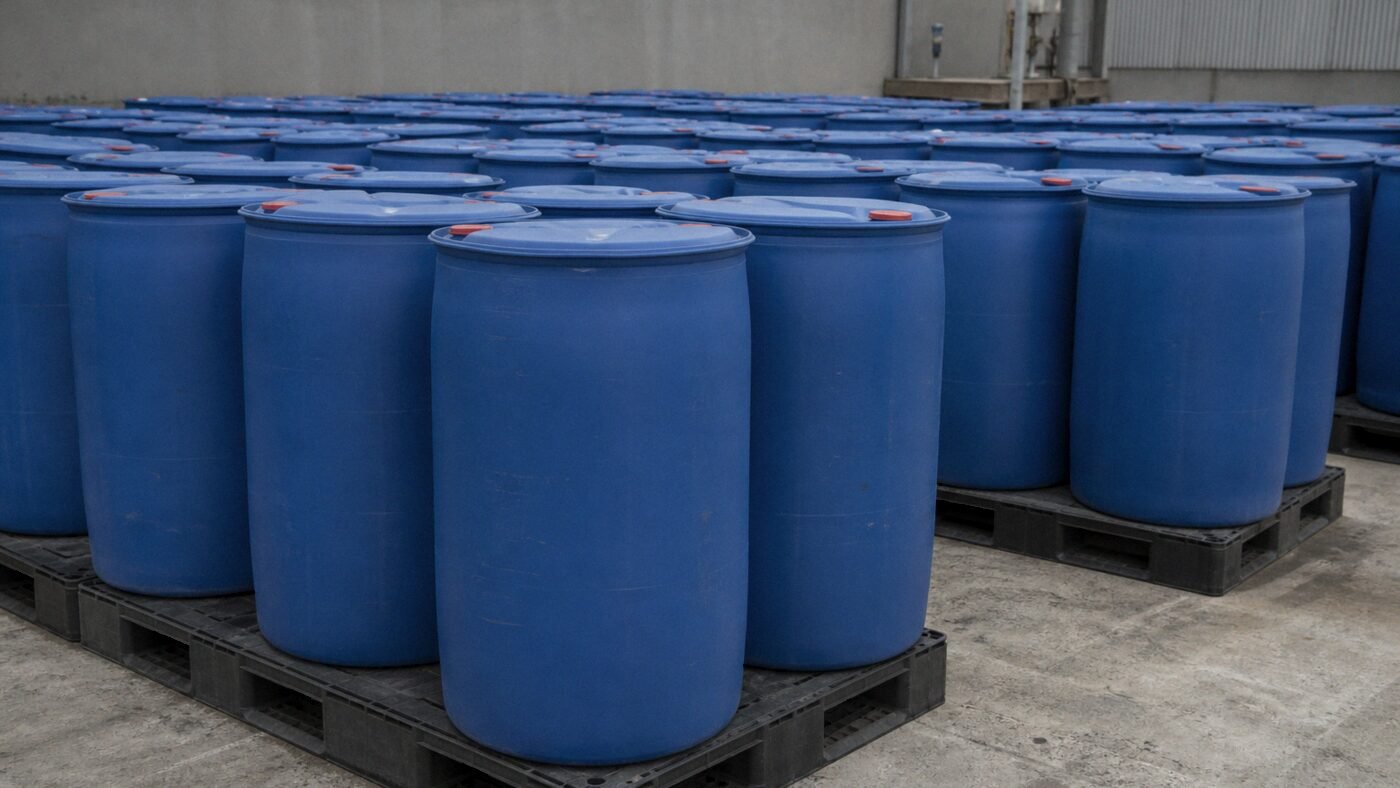
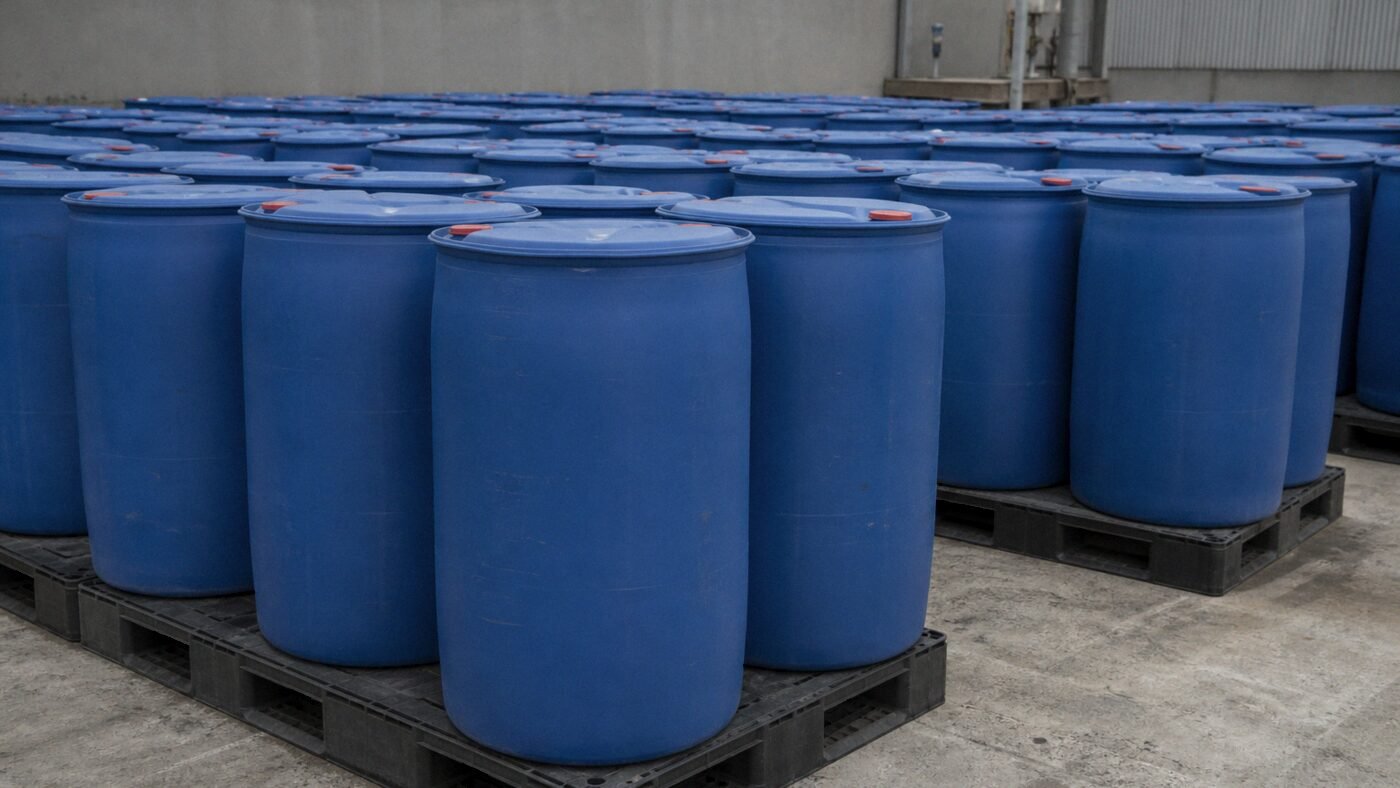
- Flexible packagingISO tanks, flexis, IBC and regional bulk for EU and export lanes.
Typical Crude Glycerin Specification
Indicative FAME-route band. Final acceptance follows the supplier CoA.
| Parameter | Typical | Notes | Method |
|---|---|---|---|
| Glycerol content | 75-80% | dry basis, % m/m | EN 14199 |
| Water + volatiles | 5-15% | before road dilution | Karl Fischer |
| Ash (salts) | 1-8% | Na/K soaps & salts | EN 14356 |
| MONG | 1-6% | organic non-glycerol | lab |
| Methanol residue | <0.5-2% | plant-dependent | GC |
| CAS number | 56-81-5 | propane-1,2,3-triol |
Regulatory & certification notes
- RED III lists crude glycerine in Annex IX Part A (i); refined grades are outside Annex IX. Confirm crude status on the PoS.
- ISCC EU documentation available when renewable compliance is required.
- Non-fuel outlets (refining, industrial chemistry) follow product-specific rules, not automatic biofuel status.
Applications
- Refining to pure glycerol. Bleaching, ion exchange and vacuum distillation to technical or USP grades.
- Anaerobic digestion. High-COD streams for biogas where salinity and permits allow.
- Chemical building blocks. After purification: epichlorohydrin, propylene glycol and specialties.
- Integrated bio-refineries. On-site energy or conversion concepts, project-specific.
Frequently Asked Questions
What glycerol % is crude glycerin from Suat Fuels?
Commercial parcels typically assay 75-80% glycerol. Exact CoA values vary by plant and feedstock oil.
What is crude glycerin?
The main co-product of FAME biodiesel transesterification (and some oleochemical lines): dark viscous stream with glycerol, water, salts, soaps, residual methanol and MONG.
Crude vs technical glycerin?
Crude is concentrated but not polished (75-80% glycerol, high MONG/ash). Technical is vacuum-distilled to 90-99.5% for industrial chemistry.
Does crude glycerin qualify under RED III Annex IX?
Crude glycerine is listed in RED III Annex IX Part A (i). Refined, technical and USP glycerin are not. Confirm the parcel is crude (not polished) on the PoS/ISCC declaration.
What packaging is available?
ISO tanks, flexitanks, IBC totes and regional bulk tankers. Heated transport may apply in cold climates.
How do I get a crude glycerin price quote?
Send target glycerol band (75-80%), monthly volume, destination and packaging to sales@suatfuels.com.
Book a Crude Glycerin Parcel
Share target glycerol band (75-80%), volume and destination. We return CoA-backed availability fast.
Request Quote