 CAS 56-81-5
Industrial intermediate chemistry
Technical Glycerin
Grey-grade glycerol for industrial intermediate chemistry, typically 90%, 99% or 99.5% assay with controlled MONG and moisture. Sourced from biodiesel transesterification and oleochemical fat-splitting routes, vacuum-distilled to spec.
What Is Technical Glycerin?
Technical glycerin (technical-grade glycerol) is the industrial workhorse between crude co-product streams and pharmacopoeia-grade material. It is used across resin synthesis, alkyd paints, polyurethane polyols, detergency, antifreeze blends and oleochemical derivatives where water-white USP purity is not required but consistent glycerol assay and low moisture matter.
Production follows two dominant upstream routes: oleochemical splitting of triglycerides into fatty acids plus crude glycerin, and biodiesel transesterification yielding FAME plus a glycerin-rich phase. Concentration, bleaching and vacuum distillation raise glycerol content to the 90-99.5% band. Residual MONG (matter organic non-glycerol) and colour distinguish technical from USP grades.
Why Source Technical Glycerin With Suat Fuels?
- Grade ladderSingle desk for 90%, 99% and 99.5% parcels, match resin, feed or polyol formulators without over-specifying USP cost.
- Origin transparencyVegetable-derived identity with batch CoA: glycerol assay, MONG, chloride, density and colour (APHA) per agreed limits.
- Global lanesAPAC, Indian Ocean and Atlantic refinery hubs with arbitrage-aware term offtake for chemical integrators.
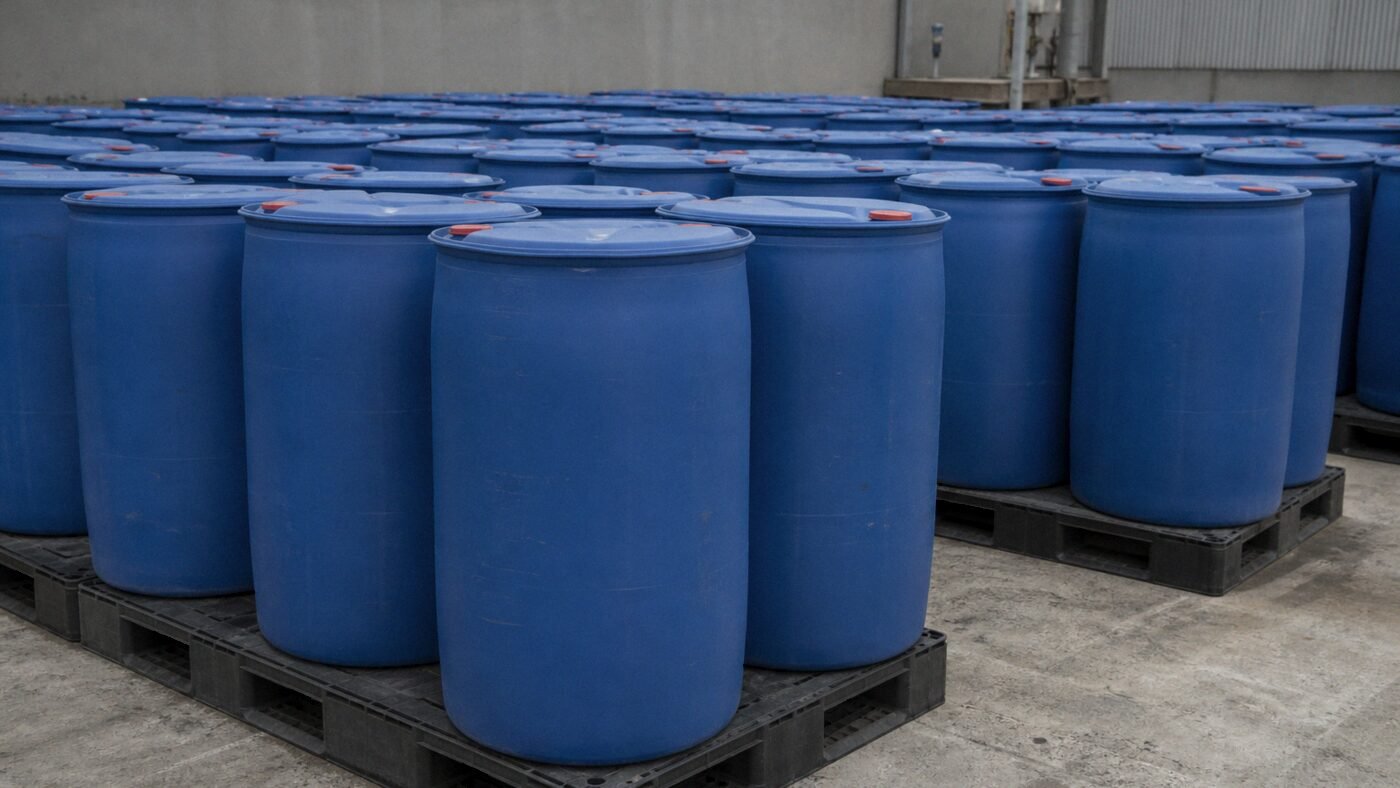
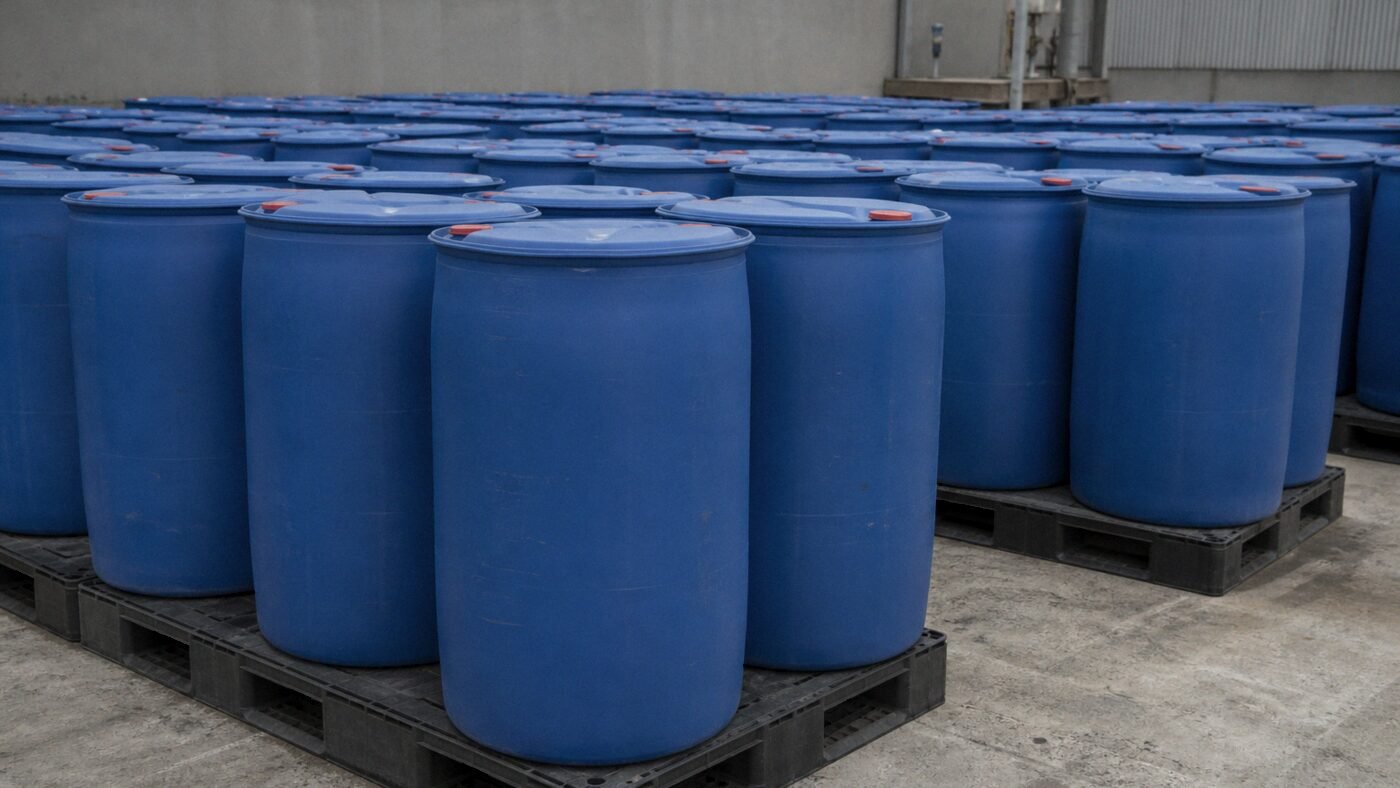
- Packaging fitISO flexitanks for ocean moves, 1,000 kg IBC for continuous feeds, 250 kg drums for specialty batches.
Typical Technical Glycerin Specification
Commercial targets below; final acceptance follows supplier CoA attached to the bill of lading.
| Parameter | Typical | Limit | Method |
|---|---|---|---|
| Glycerol content | 90% / 99% / 99.5% | grade-dependent | EN 14199 |
| Water | < 5-10% | lower at 99%+ | Karl Fischer |
| MONG | < 2-5% | tighter at 99.5% | residue on ignition |
| Colour (APHA) | ≤ 50-150 | greyish typical | ASTM D1209 |
| Density at 20°C | 1.22-1.26 kg/L | assay-linked | EN ISO 3675 |
| CAS number | 56-81-5 | propane-1,2,3-triol |
Regulatory & quality positioning
- Technical glycerin is a chemical intermediate, not a drop-in HVO/HEFA lipid feedstock.
- Food or pharma use requires upgrade to USP/EP or E422 grades with compendial release, not assumed from technical CoA.
- RSPO-segregated or mass-balance options available for palm-derived supply chains on request.
Applications
- Resins & coatings. Alkyd resins, epoxy precursors via epichlorohydrin routes, polyester polyols.
- Polyurethanes. Polyether polyol builders and flexible foam intermediates.
- Detergency. Humectant and viscosity modifier in industrial and household formulations.
- Antifreeze & fluids. Glycol blends, heat-transfer fluids, de-icing base stocks.
- Textile & leather. Softening, lubrication and finishing auxiliaries in tanneries and mills.
- Animal nutrition. Energy-dense liquid feed additive where regulatory grade permits.
Frequently Asked Questions
What is technical glycerin used for?
Industrial intermediate chemistry: resins, polyols, detergents, antifreeze, textile/leather auxiliaries and oleochemical derivatives. It sits between crude glycerin and USP/pharma grades on purity and price.
What is the difference between technical and USP glycerin?
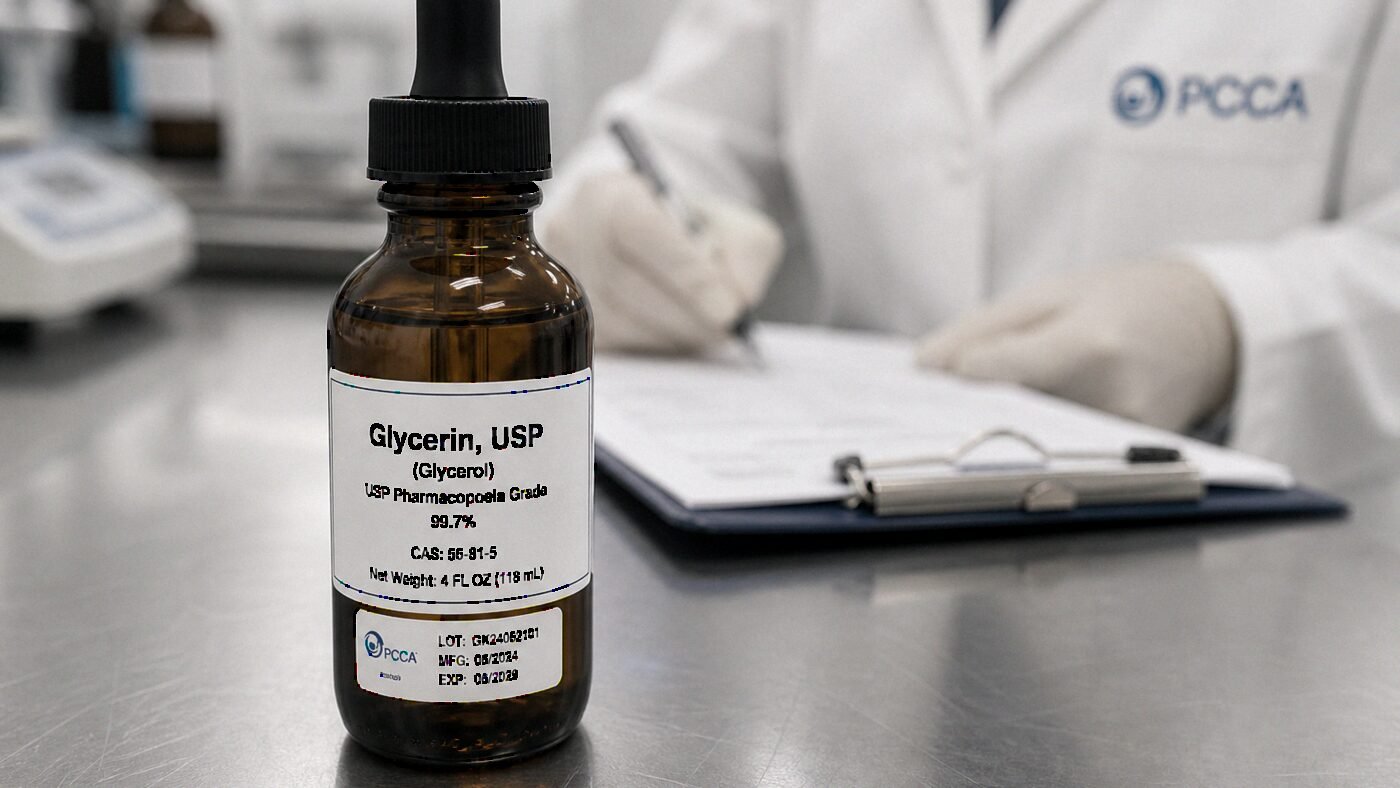
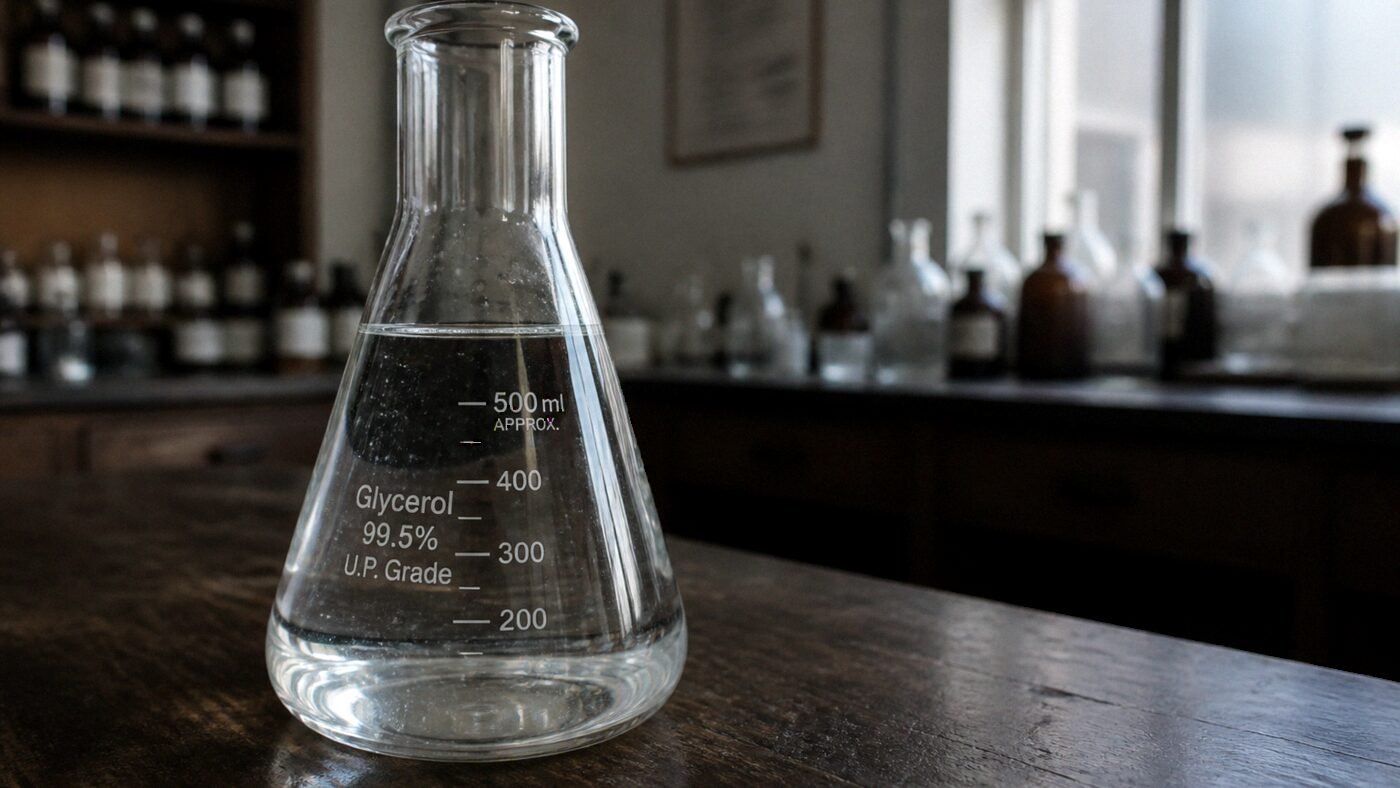
Technical grades tolerate higher MONG, colour and moisture, typically 90-99.5% glycerol with greyish appearance. USP/EP grades exceed 99% glycerol, are water-white and meet pharmacopoeia limits for personal care and pharma.
How is technical glycerin produced?
From biodiesel transesterification or oleochemical fat splitting, followed by concentration, bleaching and vacuum distillation to the target glycerol assay.
What concentrations of technical glycerin can I buy?
Suat Fuels supplies 90%, 99% and 99.5% technical parcels. Higher assay reduces MONG handling cost for resin and polyol plants.
What is the CAS number for technical glycerin?
56-81-5 (propane-1,2,3-triol / glycerol), same identity as all refined glycerin grades; grade differs by purity and impurity profile.
What packaging is available for technical glycerin?
ISO tank containers, 1,000-1,250 kg IBC totes, 250 kg drums and regional bulk tankers. Heated transport may apply in cold climates.
Can technical glycerin be used in food?
Not without upgrading to food-grade E422 with appropriate regulatory documentation. Technical CoA does not substitute for food-additive compliance.
How do I get a technical glycerin price quote?
Send target glycerol %, monthly volume, destination port and packaging preference to sales@suatfuels.com, indicative availability within one business day.

Book a Technical Glycerin Parcel
Specify glycerol assay (90%, 99% or 99.5%), MONG limits and packaging, we return CoA-backed availability fast.
Request Quote