 CAS 56-81-5
Coproduit biodiesel
Glycérine brute
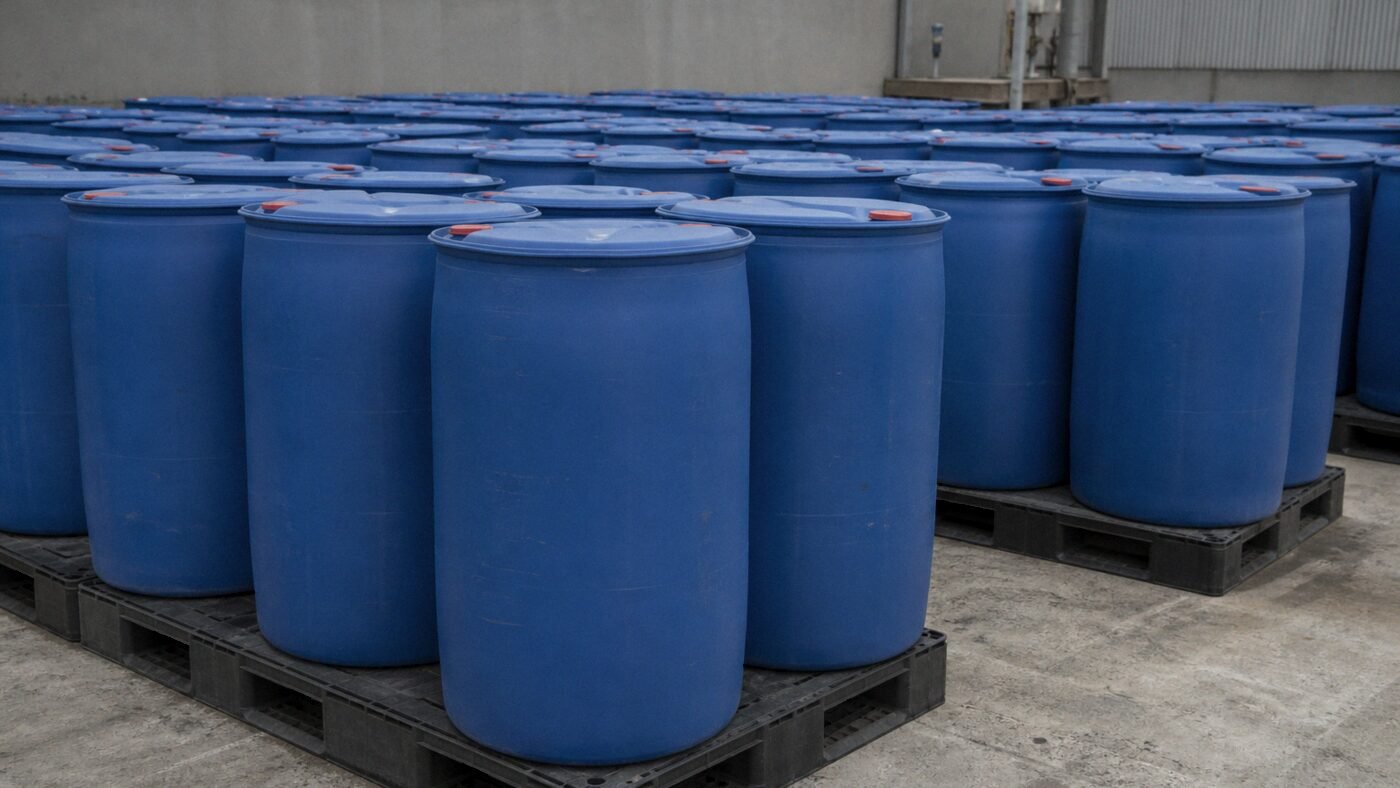
Glycérol brut sombre et salin issu des filières biodiesel FAME et oléochimie. Assay typique 75-80% glycérol avec eau, sels, savons et MONG. Négoce avec CoA par lot et documentation ISCC EU si conformité renouvelable requise.
Qu'est-ce que la glycérine brute ?
La glycérine brute est le principal coproduit aqueux-organique de la transestérification en biodiesel FAME et de certaines lignes de savons et acides gras. Suat Fuels fournit des lots typiquement dans la bande 75-80% glycérol (base sèche), avec variation d'eau, cendres, méthanol résiduel et MONG.
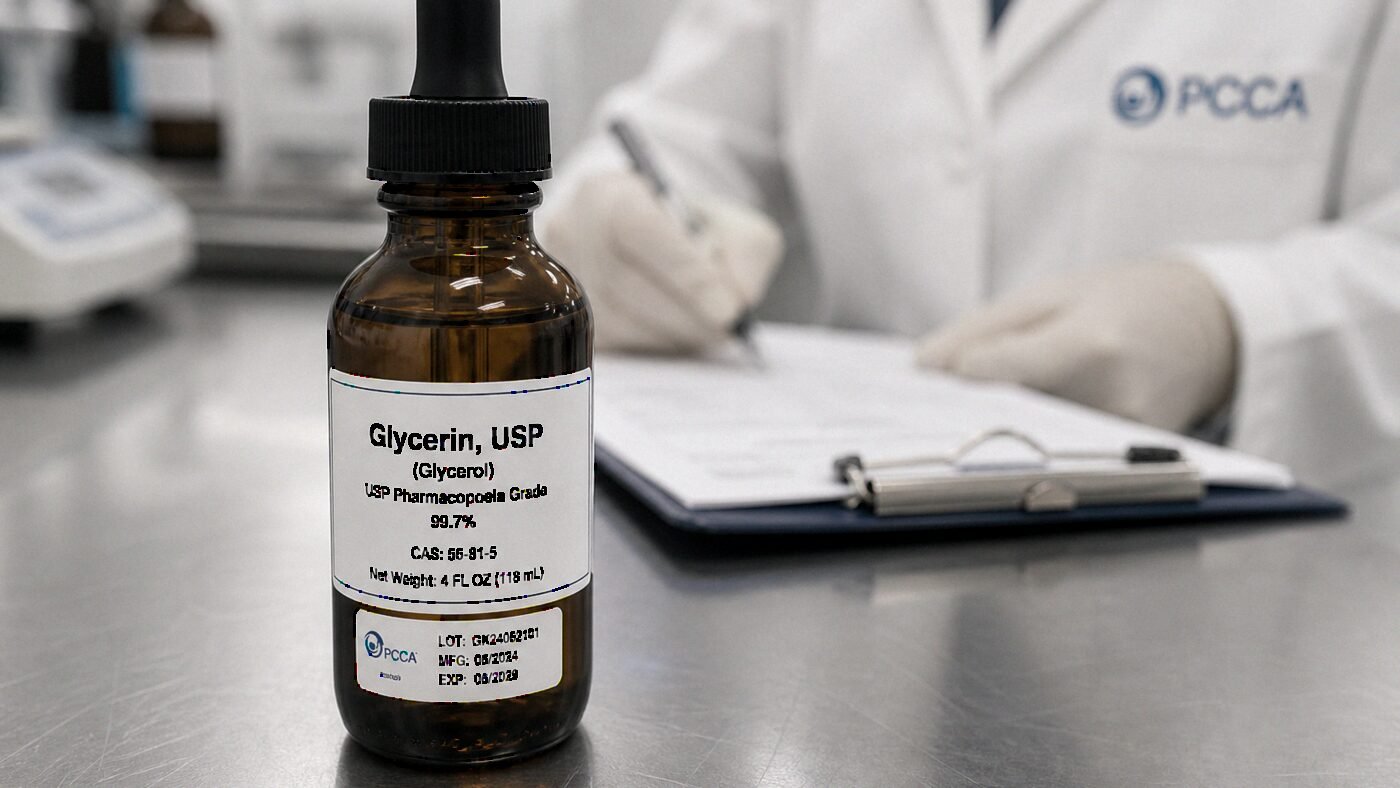
C'est la matière première amont pour raffiner en glycérine technique ou USP, et pour des voies industrielles ou énergétiques. Chaque lot avec CoA complet.
Pourquoi s'approvisionner chez Suat Fuels ?
- Fenêtre 75-80%Lots commerciaux alignés sur la bande 75-80% demandée par raffineurs et industrie.
- Coproduit traçableLié à des usines FAME/oléochimie identifiables avec chaîne ISCC EU si besoin.
- CoA avant logistiqueGlycérol, eau, cendres, MONG, méthanol et pH par lot avant réservation.
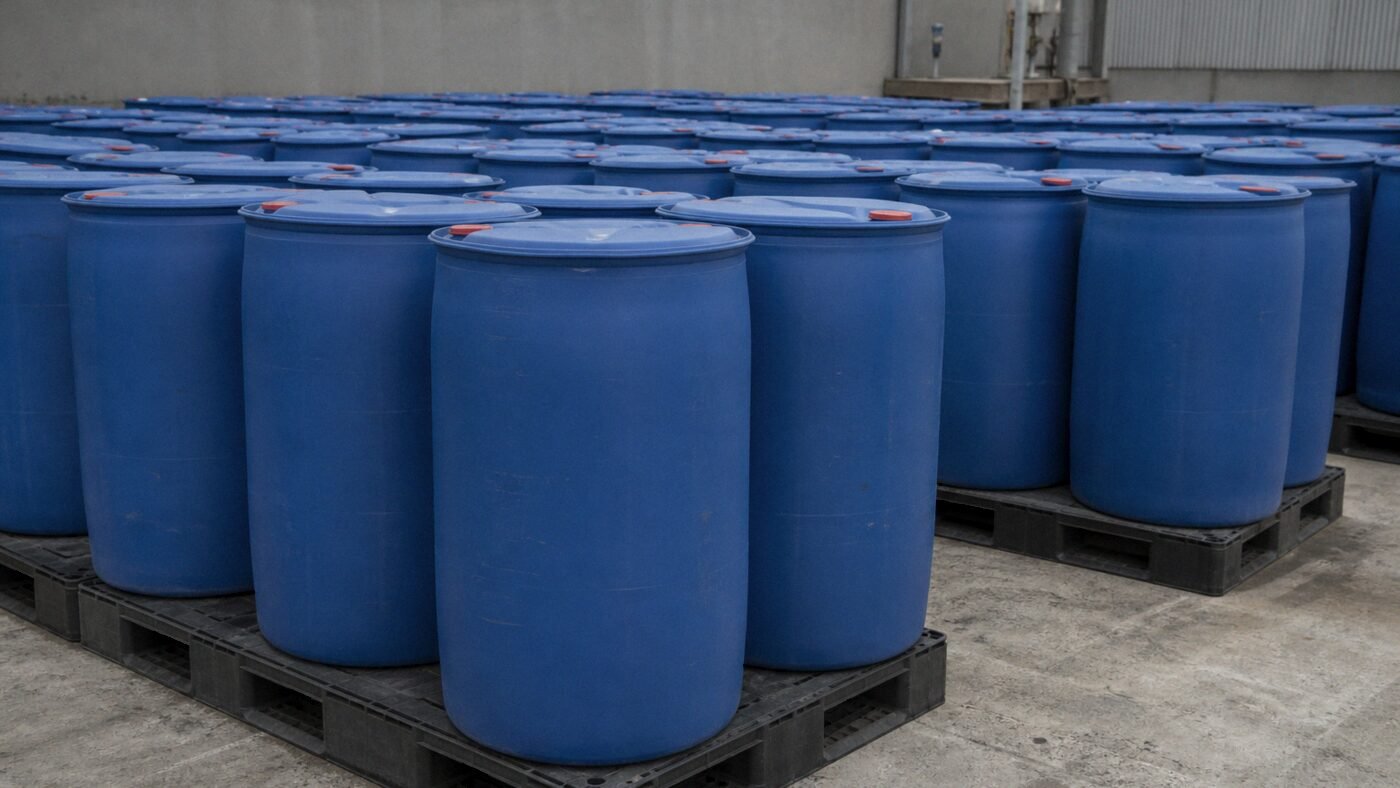
- Conditionnement flexibleISO, flexi, IBC et citernes régionales UE et export.
Spécification typique glycérine brute
Bande indicative filière FAME. L'acceptation finale suit le CoA fournisseur.
| Paramètre | Typique | Notes | Méthode |
|---|---|---|---|
| Teneur en glycérol | 75-80% | base sèche, % m/m | EN 14199 |
| Eau + volatils | 5-15% | avant dilution route | Karl Fischer |
| Cendres (sels) | 1-8% | savons Na/K et sels | EN 14356 |
| MONG | 1-6% | organique non glycérol | labo |
| Résidu méthanol | <0,5-2% | selon usine | GC |
| Numéro CAS | 56-81-5 | propane-1,2,3-triol |
Notes réglementaires
- RED III liste la glycérine brute à l'Annexe IX Partie A (i) ; les grades raffinés sont hors Annexe IX. Confirmez le statut brut sur le PoS.
- Documentation ISCC EU disponible si conformité renouvelable exigée.
- Débouchés hors carburant suivent des règles produit distinctes.
Applications
- Raffinage en glycérol pur. Blanchiment, échange d'ions et distillation sous vide vers technique/USP.
- Digestion anaérobie. Flux à DCO élevée pour biogaz si salinité et permis le permettent.
- Blocs chimiques. Après purification : épichlorhydrine, propylène glycol et spécialités.
- Bioraffineries intégrées. Concepts énergie ou conversion sur site, par projet.
Questions fréquentes
% de glycérol de la glycérine brute Suat Fuels ?
Lots commerciaux typiquement 75-80% glycérol. CoA exact selon usine et huile.
Qu'est-ce que la glycérine brute ?
Principal coproduit de la transestérification FAME : flux sombre avec glycérol, eau, sels, savons, méthanol résiduel et MONG.
Brute vs technique ?
La brute est concentrée non polie (75-80%, MONG/cendres élevés). La technique est distillée sous vide à 90-99,5%.
Annexe IX RED III ?
La glycérine brute est listée à l'Annexe IX Partie A (i) de RED III. Les grades raffinés, techniques et USP ne le sont pas. Confirmez le statut brut sur le PoS/ISCC.
Conditionnements ?
ISO, flexitanks, IBC et citernes régionales. Transport chauffé possible.
Comment obtenir un devis ?
Bande glycérol (75-80%), volume mensuel, destination et conditionnement à sales@suatfuels.com.
Réserver un lot de glycérine brute
Indiquez bande glycérol (75-80%), volume et destination. Disponibilité CoA rapide.
Demander un devis